
What three weekends of karate competitions tell us about pathways, culture, and credibility
In February, the competitive karate calendar stacked up in a way that sometimes does happen — creating periods of increased pressure and load for athletes, officials, and organisers.
Across three consecutive weekends, athletes and officials moved through four very different environments:
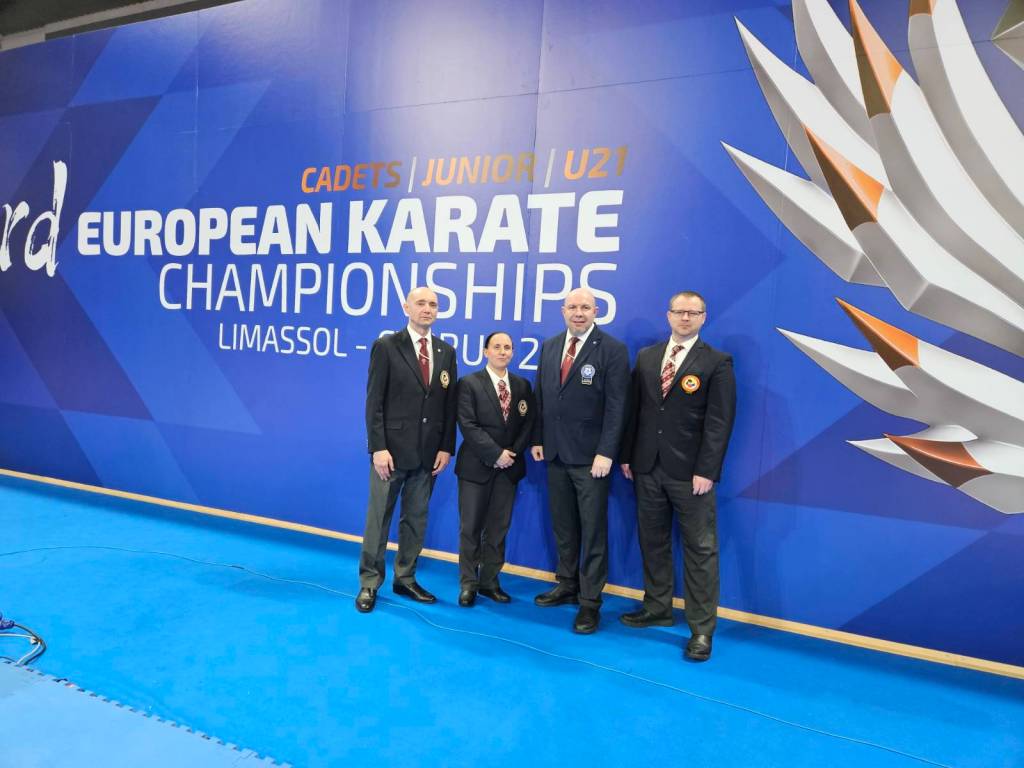
Cadet, Junior & U21 European Championships (6–8 Feb), Cyprus
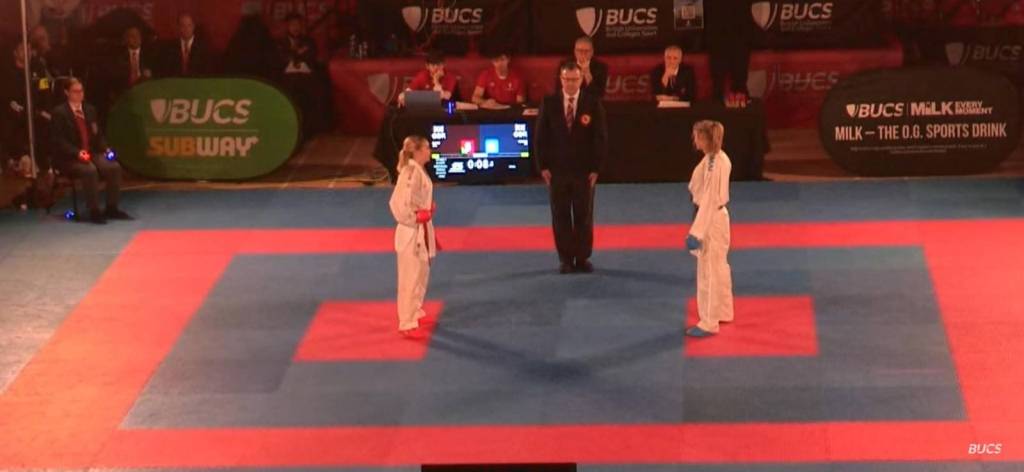
BUCS University Championships (15 Feb), Sheffield
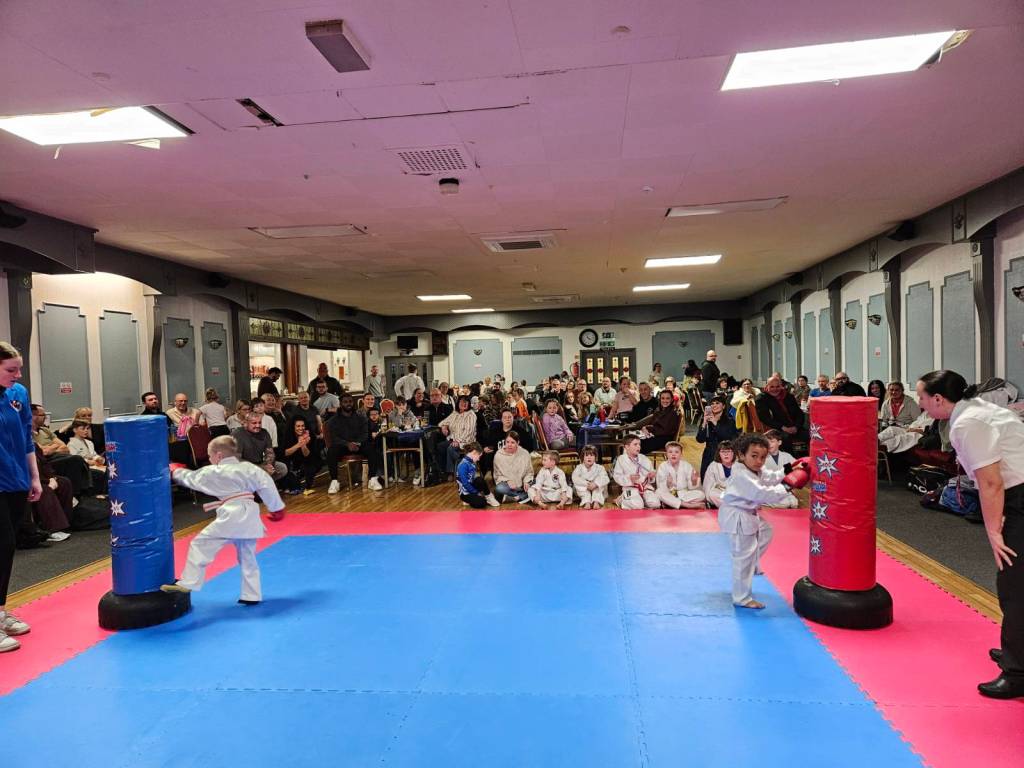
Hartlepool Wadokai Club Competition (21 Feb), Hartlepool
English Karate National Governing Body National Squad Selections (22 Feb), Sheffield
Different venues.
Different scales.
Different pressures.
Different rooms.
But the same standards.
—
The reality of a pathway
In sport development, we often talk about pathways as if they are diagrams.
Boxes.
Arrows.
Stages.
But real pathways aren’t linear — they are lived.
Across these three weekends you could see, in real time, how a local club environment, a university competition system, and a national and international performance pathway are not separate worlds.
They are connected layers of the same culture.
A cadet competing in Europe.
A student fighting at BUCS.
A beginner entering their first club event.
An athlete trialling for England selection.
Different rooms.
Same expectations.
—
What “same standards” actually means
It does not mean the same outcomes.
It does mean the same principles:
– Respect for opponents and officials
– Emotional control under pressure
– Technical intent and clarity
– Readiness and preparation
Behaviour that reflects the sport
These are not “elite” standards.
They are sport standards.
And when they are consistent across levels, the pathway makes sense:
Beginners understand what good looks like.
Developing athletes trust the system.
Performance athletes stay grounded in culture.
—
Credibility is built locally
One of the most overlooked truths in talent pathways is this:
> International credibility is rooted in local credibility.
If the standards at club level are loose,
national expectations feel arbitrary.
If behaviour tolerated locally contradicts national values,
selection decisions feel political.
But when the same standards show up everywhere —
club → university → national → international —
the pathway feels fair.
Predictable.
Coherent.
Trustworthy.
—
Same people, different rooms
Over these weekends, some people moved between multiple environments.
European Championships one week.
BUCS the next.
Club Championships and National selections the next.
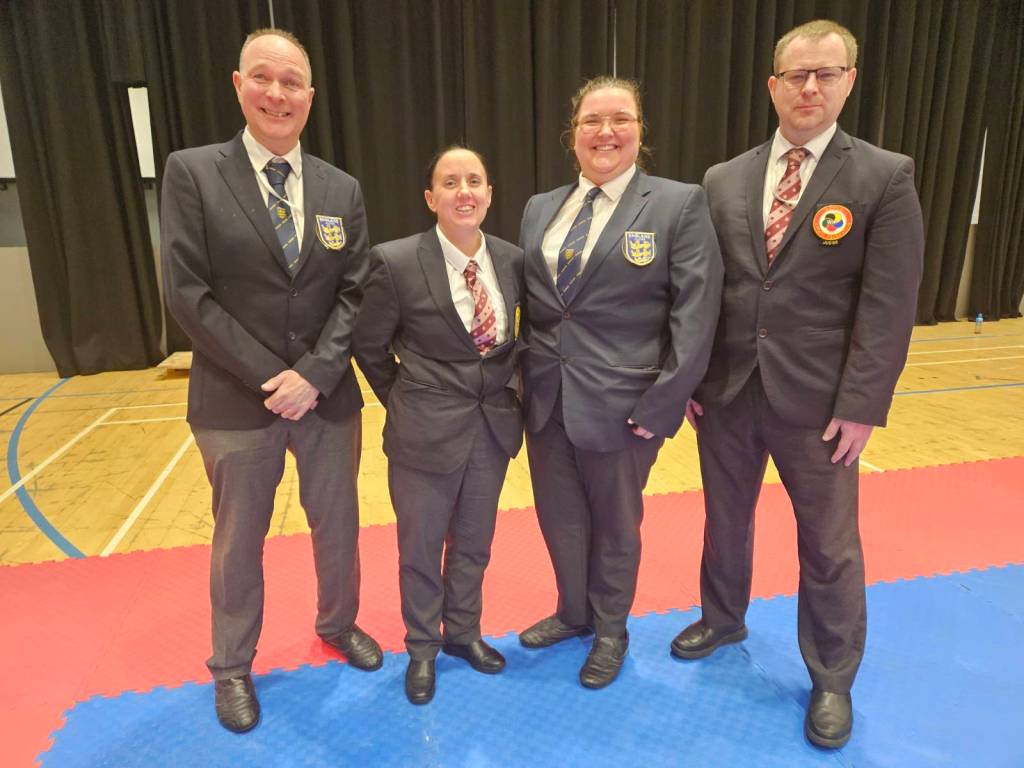
For Great North Karate, this wasn’t athletes moving across events – it was officials.
Coaches, referees, and volunteers operating in different competition spaces, under different pressures, across consecutive weekends.
This is where standards matter most.
Because people quickly learn:
Do expectations change depending on the room?
Or do they travel with me?
The strongest pathways answer clearly:
They travel with you.
—
Composure is part of performance
In competition environments, athletes can sometimes become visibly frustrated during matches — and may be penalised for expressing that frustration toward officials.
This is a familiar tension in judged sports.
Officials will inevitably miss things.
Athletes will sometimes disagree with decisions.
But composure during a contest is not optional.
It is part of the performance.
Across all levels of the sport, environments reinforce this clearly:
Technical ability alone is not enough.
Behaviour under pressure matters.
This is another example of the same standards principle —
what is expected internationally is expected nationally,
and should be learned locally, in the dojo.
—
Foundations first
Performance pathways often get visualised from the top down:
International → National → Regional → Club
But lived reality works the other way.
Standards are not invented at the top.
They are learned at the base.
In the everyday spaces of club and community sport —
how people prepare, compete, officiate, behave, and relate —
the foundations of the national and international pathway are set.
When those grassroots standards are strong and consistent,
progression feels coherent.
Athletes recognise expectations.
Environments feel familiar.
Transitions feel fair.
—
Officials carry the culture too
It’s worth reinforcing that across these February weekends, officials moved across multiple levels of the sport, and it was all self-funded.
Club competition.
University championships.
National selection.
European championships.
This matters.
Because officials are not peripheral to standards.
They are central to them.
They set tone.
They embody expectations.
They create competitive environments athletes trust.
They personally invest in the sport every time they support an event.
If the sport wants consistent standards across its pathway,
officials must be part of that pathway.
Encouragingly, this is beginning to happen.
Great North Karate is developing a grassroots referee programme — supporting officials as they enter the pathway and build experience in club and regional settings.
This kind of structured support matters.
Because officials, like athletes, develop over time —
and strong national and international standards depend on strong grassroots officiating foundations.
At recent national selections, Great North referees made up around a third of the officiating team — a positive sign that grassroots official development is connecting into the national pathway.
—
A whole-system pathway
Talent development is often discussed as athlete progression.
But real pathways are wider:
Athletes
Coaches
Officials
Volunteers
Clubs
Competitions
All developing.
All connected.
All carrying standards forward.
Supporting officials to enter and progress through development pathways
is not separate from athlete development.
It is part of the same system.
—
Same standards, different rooms
Three weekends.
Four competitions.
Multiple levels of karate.
From club tatami
to university hall
to national selection
to European championship arena
Different rooms.
Same standards.


Leave a comment