What karate taught me about leadership, place, and the quiet work of stewardship
I’ve been involved in karate since I was five years old. I won’t say how many years that is — because then you’ll realise how old I am. Most of my family are involved, or have been involved too.
I’ve researched martial arts deeply.
I’ve competed internationally.
Now I referee internationally.
Karate has given me a lot.
Friendships.
Travel.
Perspective.
But one of the most profound things it has given me is something less visible.
Bushidō.
The way of the warrior.
The honour code of the samurai.
Not the Hollywood Tom Cruise version.
The quieter version.
Integrity.
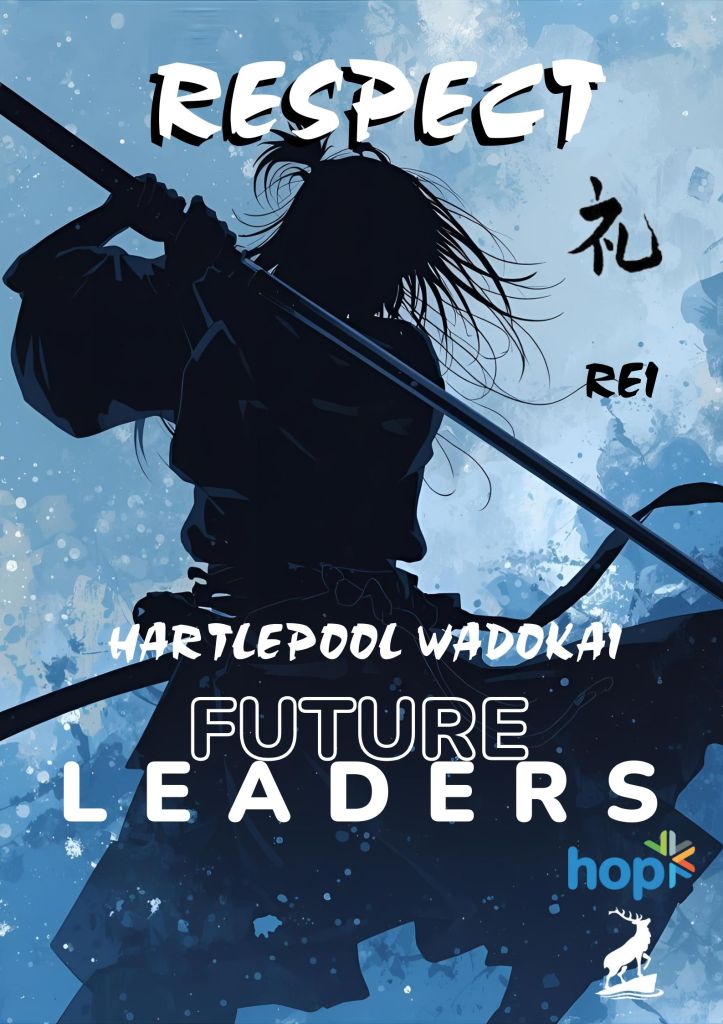
Respect.
Courage.
Honour.
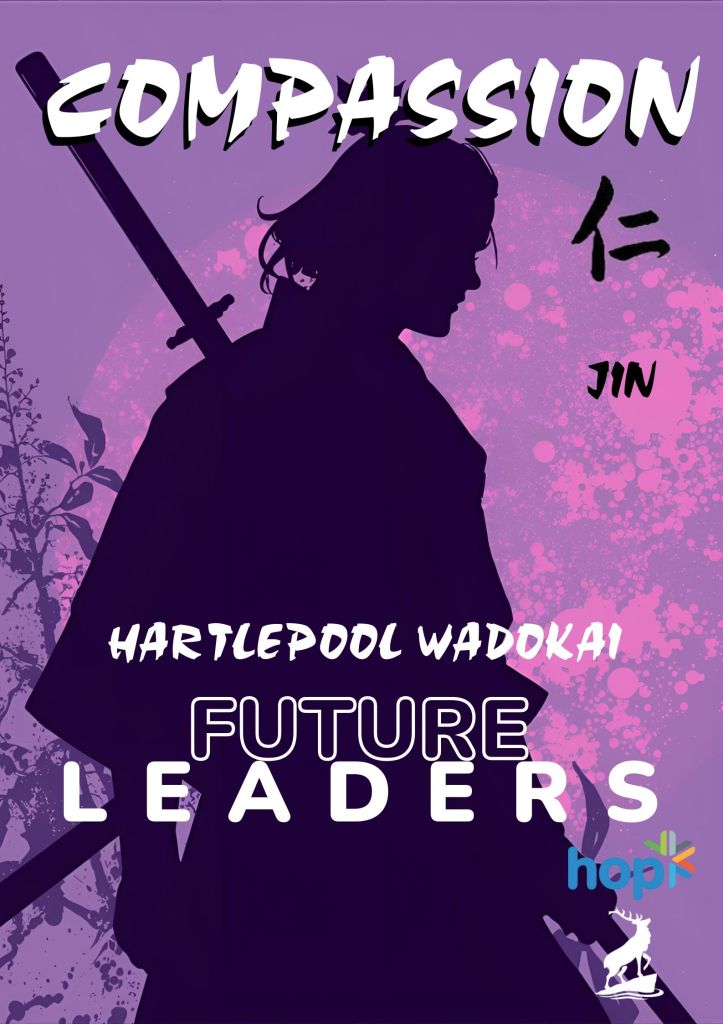
Compassion.
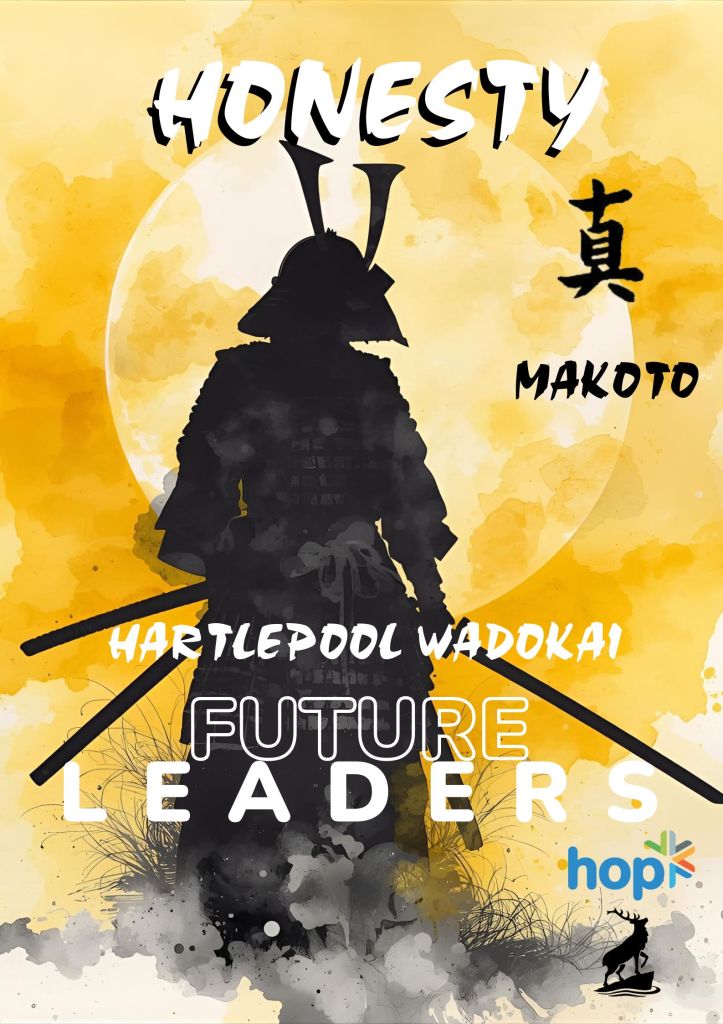
Honesty.
Loyalty.
A simple moral operating system for how you show up in the world. Strip away the Japanese language and it’s basically the Nolan Principles.
Just learned physically rather than theoretically. Not taught in a classroom.
Practised. Repeated. Embedded.
You bow in.
You look after the person next to you.
You help the younger ones.
You don’t cut corners.
You show up, even when you don’t feel like it.
Do that for long enough and it shapes who you are.
The dojo as a leadership school
We’ve leaned into this deliberately at Hartlepool Wadokai.
Over the last six months or so, we started shaping something simple around these ideas. Nothing overly formal. Nothing over-engineered or corporate. No glossy strategy decks or leadership badges.
Just a small group of young people aged 10–18 coming along each week, and sometimes staying behind after training to talk, think and take responsibility — to reflect and then practise leadership for real.
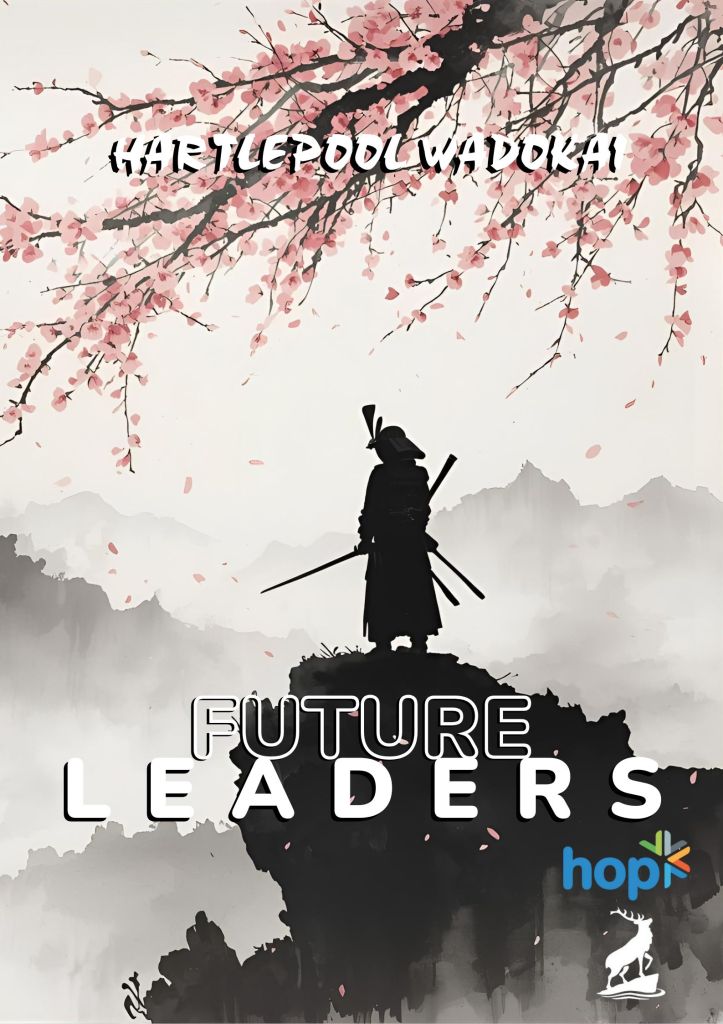
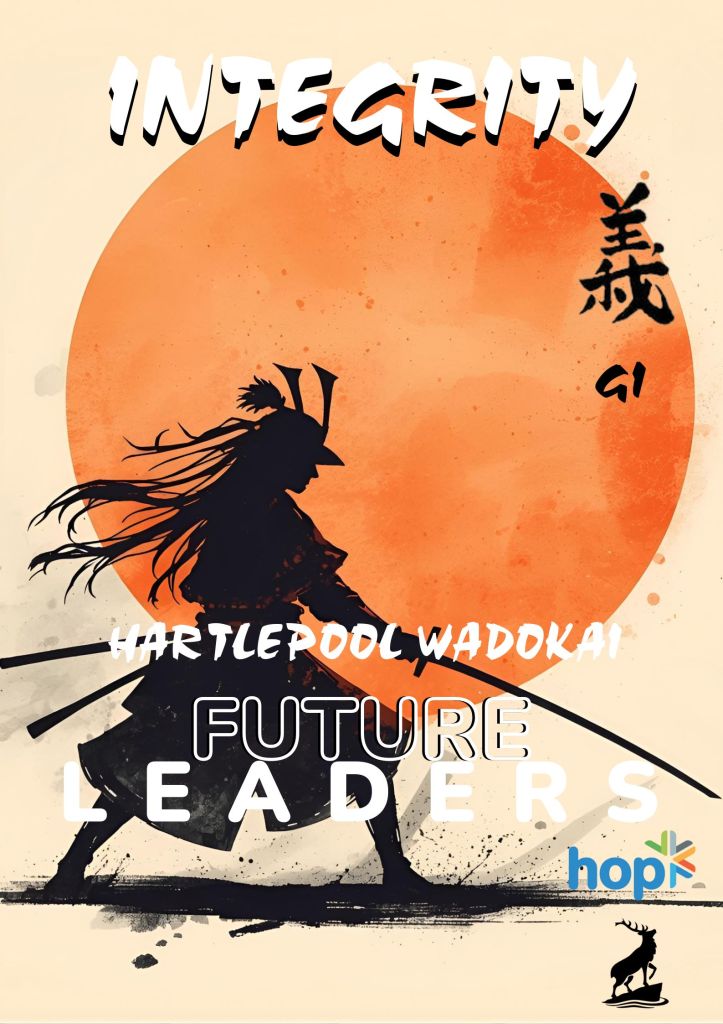
We call it Future Leaders.
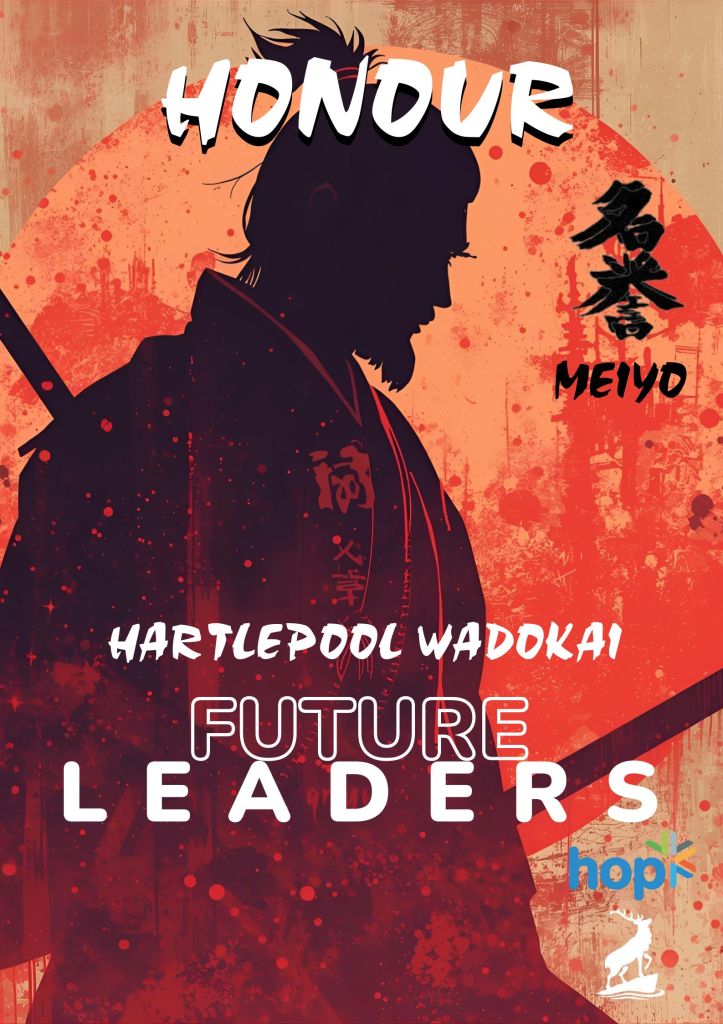
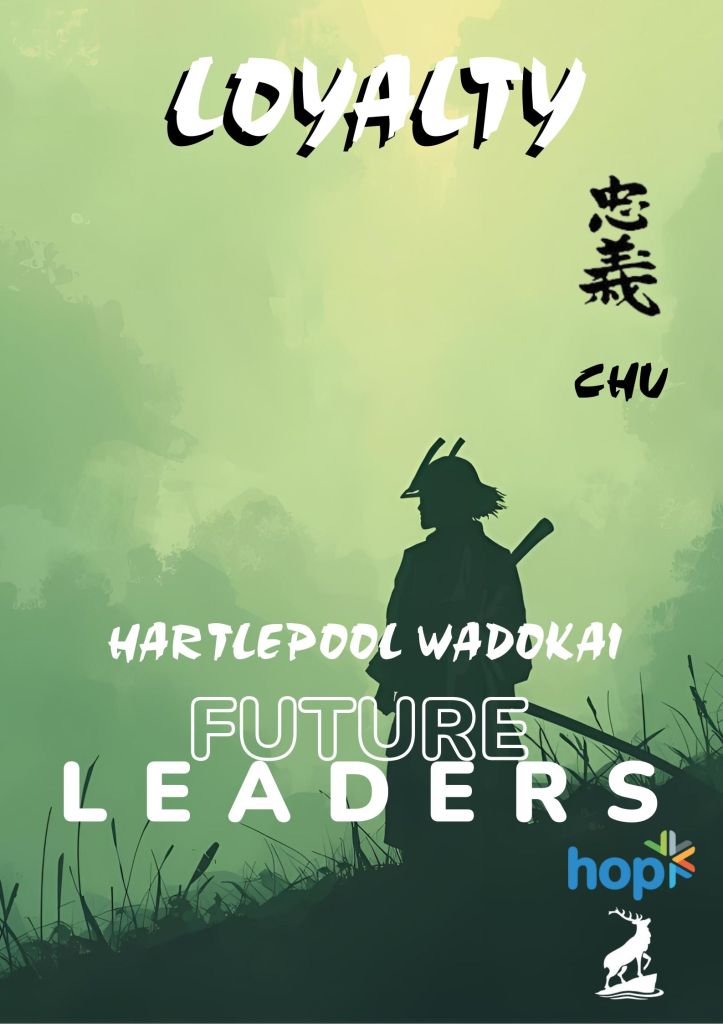
To be fair, we have made some pretty cool samurai posters that now line the dojo walls — so it’s not completely unbranded — but that’s more culture than marketing.
It feels like something they belong to, not something delivered to them.
Not theory.
“Leadership in action.”
Running a warm-up.
Helping a younger member.
Facilitating a conversation.
Organising something that needs doing.
Responsibility changes people in ways worksheets never do.

Youth voice, for real
Over time, the group started shaping their own ideas.
Videos.
Posters.
Resources.
Community activities.
Questions for local research linked to our Place Expansion work.
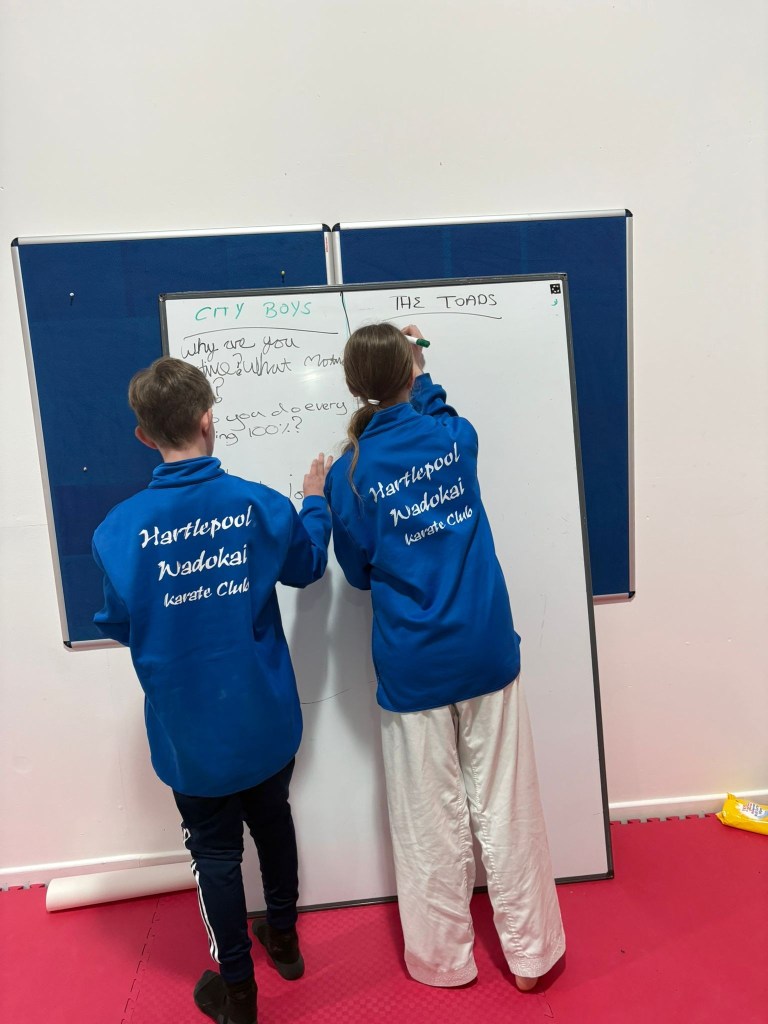
Not being “consulted”, but contributing. Not beneficiaries. Producers.
They don’t want token voice. They want responsibility.
They don’t want adults fixing everything. They want the chance to influence and drive change themselves.
Once you give people that, they rarely step back again.
Leadership isn’t only serious
It’s easy to make this sound intense. But most of it is pretty ordinary.
They chose to celebrate finishing the first phase with a trip to the bowling alley. This week we went ice skating. Nothing profound.
Just falling over a lot, and laughing.
But belonging is what makes leadership stick.
You’re far more likely to step up for people you feel connected to.
Community isn’t created in meetings. It’s created in moments.
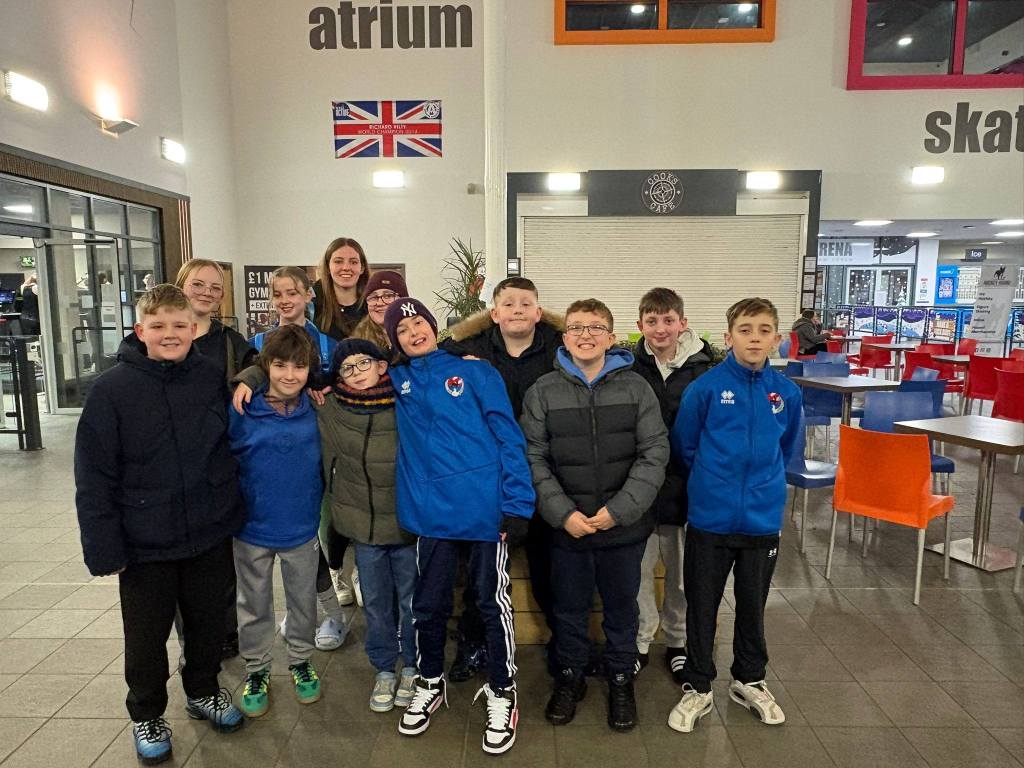
Local dojo. Same leadership muscle.
Over the weekend I’ve been reading the Coalition for Global Prosperity Future Leaders Essay Collection.
It’s a completely different world on the surface.
National policy. Foreign affairs. Defence. Diplomacy.
Their premise is that “preparing future leaders for the responsibilities they will bear must begin earlier” and giving people space to grapple with the hardest questions facing the country.
It struck me how familiar that sounded.
Because that’s exactly what we’re doing.
Just smaller, closer to home.
In a Hartlepool dojo instead of a policy residential.
They’re debating global security and international strategy.
Our lot are debating what’s fair in their neighbourhood and how to make the local park feel safer.
Different scale.
Same muscle.
Learning judgement.
Responsibility.
Service.
Leadership doesn’t start when someone gets elected or promoted.
It starts when they first decide to take responsibility for other people.
A black belt at the heart of democracy
This past week, one moment brought it all home.
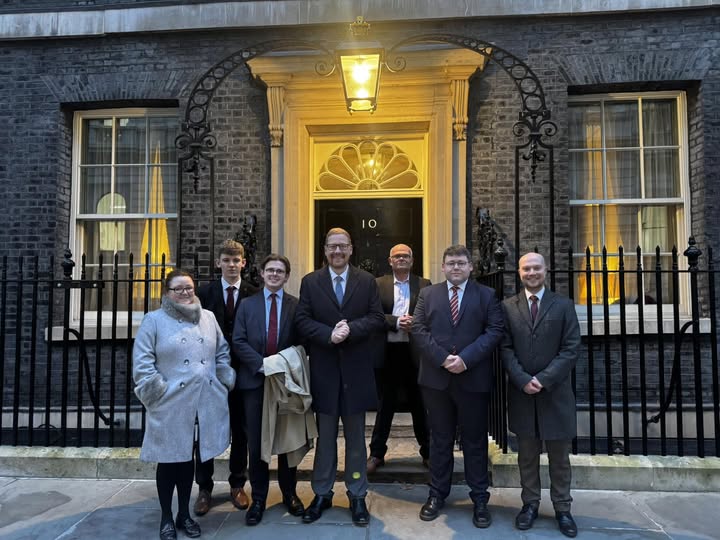
One of our young black belts, Leyton, visited 10 Downing Street with the local MP.
He’s trained with us since he was a kid. He’s just recently earned his first dan. Now he works in the MP’s office, helping residents every day.
Listening. Sorting problems. Speaking truth to power.
Our club isn’t party political.
We’re just proud.
Because when you zoom out, you can see the line:
White belt →
years of showing up →
learning respect and service →
helping others in the dojo →
helping others in the community.
No grand leadership scheme.
Just habits. Repeated weekly. Over years.
Quietly shaping someone into the kind of person who shows up for their place.
Sport as civic infrastructure
There’s sometimes a lazy narrative that sport is diversion. Something to keep young people busy or out of trouble. But that really undersells it.
Done properly, sport is civic infrastructure.
Clubs are where people learn:
- how to lead and follow
- how to resolve conflict
- how to take responsibility
- how to serve something bigger than themselves
In other words:
How to be citizens.
If Pride in Place is about communities owning their future, then this is what ownership looks like at 14, 16, 18 years old.
Not waiting to be fixed. Already contributing. Already leading.
Maybe leadership for neighbourhood renewal doesn’t start in boardrooms or strategies.
Maybe it starts somewhere quieter.
A matted floor.
A tied belt.
A bow.
We didn’t set out to build a civic leadership pipeline.
We just tried to run a decent karate club.
Turns out, that might be the same thing.
 Northern Ambiguity
Leave a comment