
How Hartlepool Sport is using Test & Learn to shape Place Expansion

When people hear “Test & Learn”, it’s easy to picture more sessions, more classes, more programmes.
But that isn’t what we’re doing.
Because if we simply delivered more activity, we might get busier — but we wouldn’t necessarily get better.
For Hartlepool Sport, Test & Learn isn’t about running things.
It’s about answering the questions that will shape the next decade of investment in place.
The goal isn’t volume.
It’s insight.
Not “How many attended?”
But “What actually changes behaviour?”
Not “What can we deliver?”
But “What works without us?”
A quick note on where we are
At this stage, we don’t know which of our pilots will ultimately be selected to run.
All proposals have been submitted to the Place Partnership delivery group, alongside ideas from partners across Hartlepool. Decisions will be made collectively, based on what offers the strongest learning for the wider system.
That’s exactly how it should be.
Test & Learn isn’t about whose project gets funded.
It’s about what the place most needs to understand next.
The shift in thinking
Across Pride in Place and Place Expansion, we’ve learned something important:
Most people don’t wake up wanting to join a programme.
They want:
- somewhere safe for their kids to play
- a reason to walk
- a bit of fresh air
- a chance to bump into neighbours
- something that feels normal, not organised
So instead of designing more structured offers, we’re testing a different idea:
What if the answer isn’t more activity… but fewer barriers?
That shift has shaped all of our pilots.
What we’re exploring
Taken together, our Test & Learn proposals focus on one core theme:
How do we make movement, play and connection feel like everyday life — not organised sport?
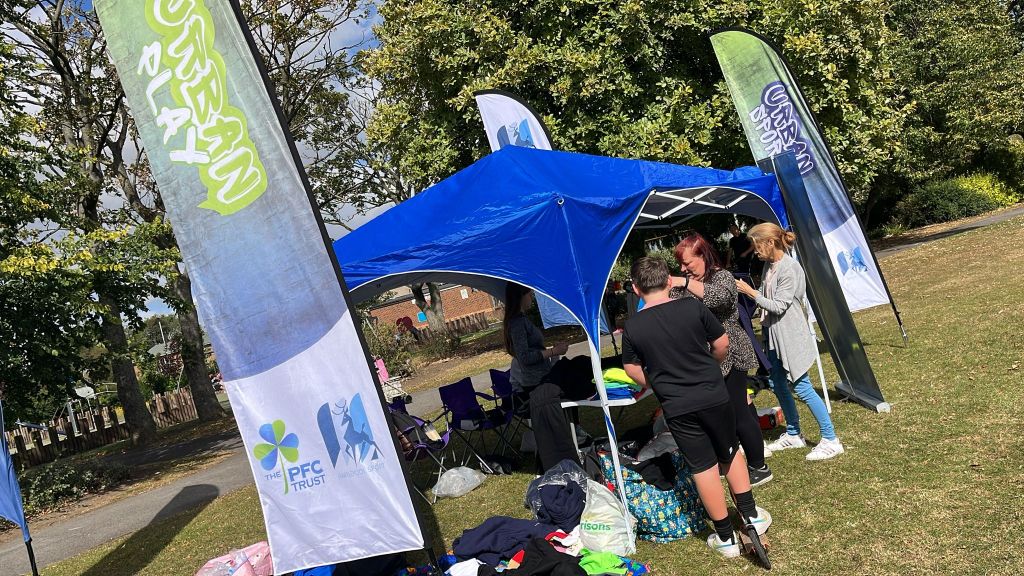
Across parks, streets, schools and neighbourhood spaces, we’re testing things like:
- light-touch supervision instead of structured sessions
- free play instead of instruction
- stories and curiosity instead of “exercise” language
- small environmental nudges rather than formal programmes
- activities families can do anytime, not only at set times
- confidence-building rather than coaching
- participation without sign-ups, fees or pressure
In short, we’re experimenting with lower intensity, lower formality, and more natural participation.
Because if something only works when staff, funding and timetables are present, it isn’t a system solution.
The kinds of questions we’re trying to answer
Across the pilots, we’re deliberately testing uncertainties like:
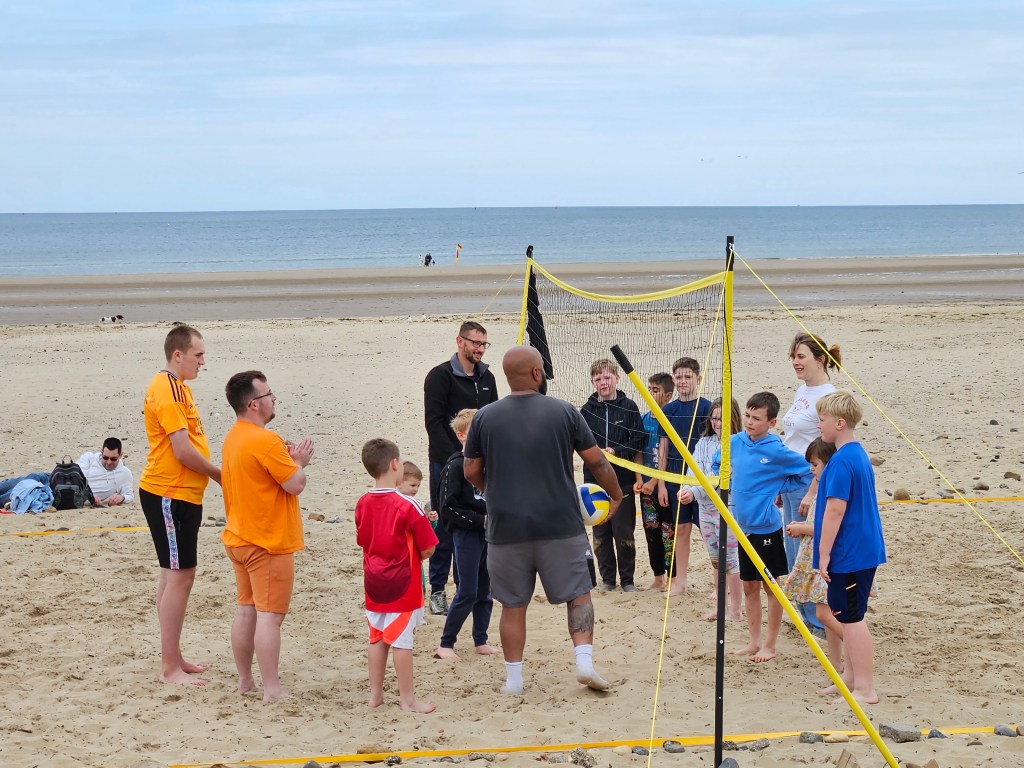
- Do families actually need organised sessions, or just safe welcoming spaces?
- Does structure sometimes reduce engagement rather than increase it?
- Can storytelling and play work better than “fitness messaging”?
- Will people move more when it doesn’t feel like sport?
- Are small environmental changes more powerful than programmes?
- How much support is truly necessary?
- What happens when activity is self-directed instead of facilitated?
These aren’t delivery questions.
They’re design questions.
They help us understand what to build — and what not to.
Why this matters for Hartlepool
This approach connects directly to the bigger picture.
Pride in Place
It’s about strengthening everyday social infrastructure — parks, streets, neighbourhood spaces — not just running sessions.
Community cohesion
It’s about belonging, trust and shared spaces where people naturally mix, not segregated activity blocks.
Poverty reality
It’s about removing cost, confidence and stigma barriers, not expecting people to opt into formal offers.
Long-term neighbourhood renewal
It’s about building foundations that last, not short-term bursts of activity.
If we get this right, the result isn’t “more programmes”.
It’s something better:
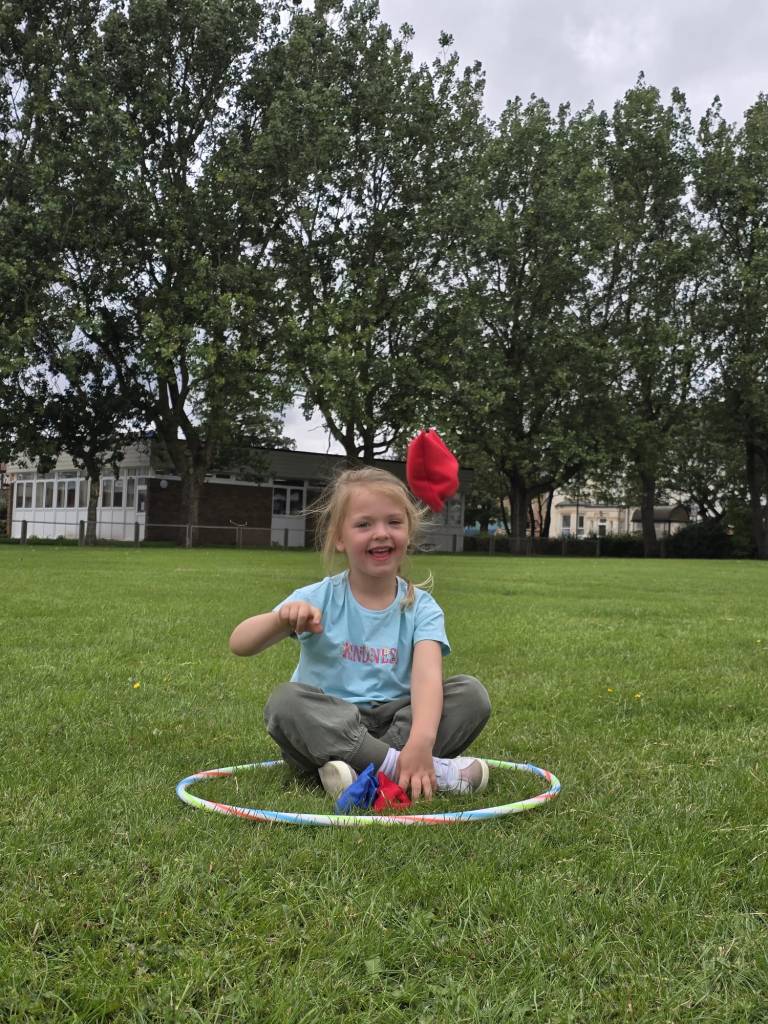
- children playing outside without needing an organiser
- families walking because it’s enjoyable
- parks that feel safe and used
- neighbours bumping into each other
- movement happening without anyone labelling it as exercise
That’s when place change becomes self-sustaining.
What success looks like
Success for Test & Learn isn’t packed sessions or impressive photos.
It’s learning things like:
- “We didn’t need staff here”
- “Families preferred free play”
- “People engaged more when it didn’t feel like sport”
- “Small tweaks changed behaviour more than big programmes”
- “Confidence mattered more than opportunity”
Because those insights shape every future decision.
They help us invest smarter, lighter, and more sustainably.
The bottom line
These aren’t separate projects.
They’re a set of small, practical experiments with one shared aim:
to understand how Hartlepool becomes a place where movement, play and connection happen naturally — without needing constant intervention.
Some may run.
Some may not.
Either way, the purpose is the same: to learn what truly works for the place.
Because if we can get that right, the place won’t need us to keep delivering activity forever.
It will start doing the work itself.
And that’s the real goal.
 Northern Ambiguity
Leave a comment