
Working across many sports gives you a different perspective.
And increasingly, it feels like parts of sport are running the wrong operating system.
When governing bodies start behaving exclusively like businesses, something subtle shifts.
Clubs, associations, athletes — and especially volunteer referees — stop being treated as partners and start being treated as customers.
Or worse, revenue lines.
Membership fees go up. Compliance increases. Admin stacks grow.
But support doesn’t.
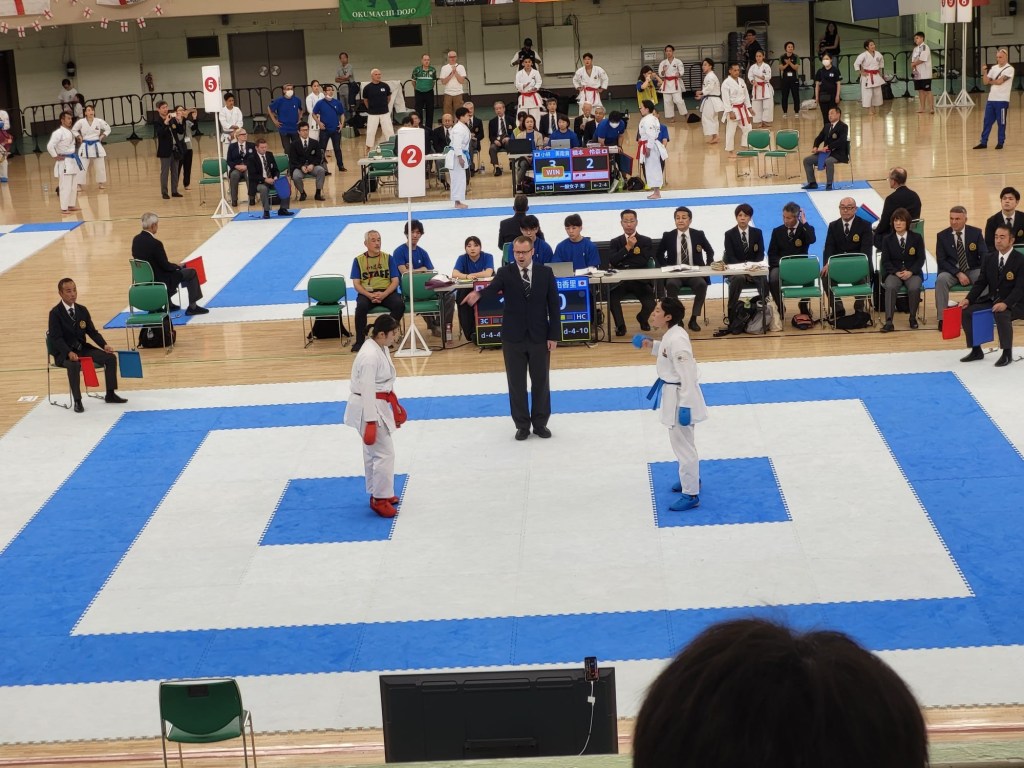
Some NGBs are now reporting up to a 40% loss of volunteer referees following recent governance changes. That isn’t a blip. It’s a warning light on the dashboard.
Because referees aren’t customers.
They’re civic contributors.
They give up evenings, weekends and family time so other people can play – often at their own expense.
If the system starts extracting more than it enables, people simply walk away.
And when volunteers leave, sport doesn’t get leaner — it gets weaker.
Financial viability matters, of course.
But viability that comes at the expense of goodwill is false economy.
Healthy systems add value to the edges.
They remove friction.
They make it easier to contribute, not harder.
Today I was talking with Cormac Russell, author of Rekindling Democracy, about what governance would look like if we started from a different assumption:
What if volunteers were treated as civic partners, not customers?
If we designed for enablement rather than extraction, we’d likely see:
- lighter touch processes
- more trust
- fewer barriers to step in
- and more people willing to stay
This isn’t just a sport issue either.
Across several UK government-backed projects I’m involved in, I’m seeing the same pattern in different sectors.
When institutions optimise for income, they often unintentionally undermine the very relationships that sustain them.
Different sectors. Same operating system problem.
Maybe the question isn’t “how do we monetise participation?”
Maybe it’s “how do we make it easier for people to contribute?”
Because the future of grassroots sport probably depends less on better products, and more on better partnerships.
 Northern Ambiguity
Leave a comment